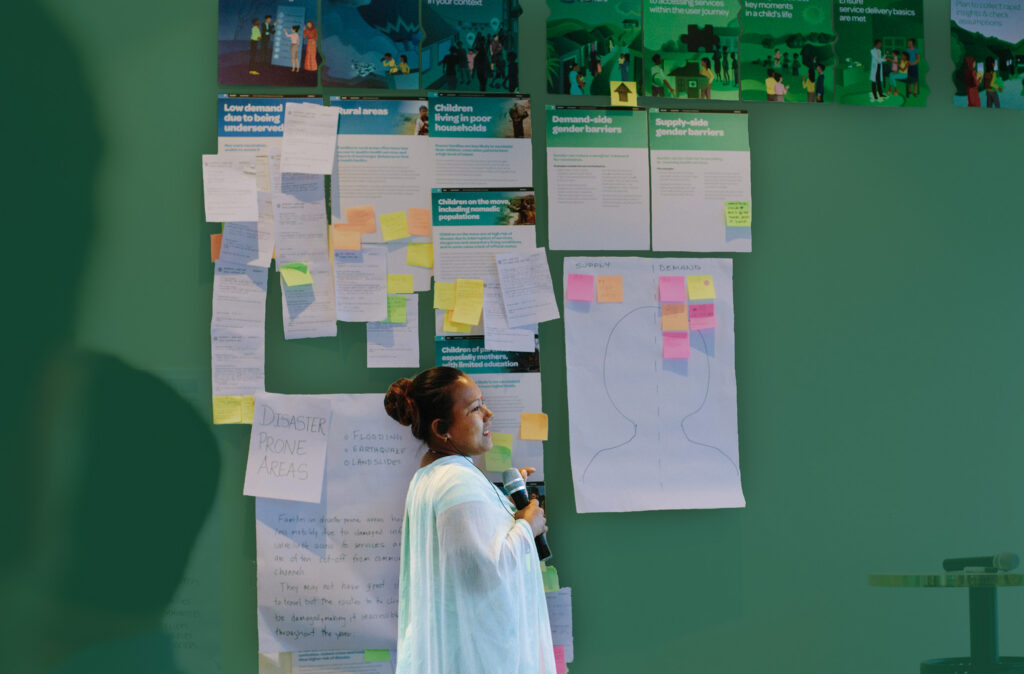
SOUTH ASIA & WEST AFRICA
Helping local immunization practitioners build better demand strategies
Designing and piloting a new tool to design behavioral strategies to help local teams increase demand for immunization.
AT a Glance
With zero dose and undervaccinated rates continuing to stagnate, and rising post-COVID, UNICEF needed more than another manual to help countries solve deep-seated demand challenges. They also needed a tool that could be used locally, without having to rely on international partners.
We designed an innovative tool that helps immunisation staff within governments, local implementing partners and CSOs to build better demand strategies, and empowers them run the entire process themselves.
The toolkit started out as everything you need in-a-joyful-box, and later progressed to a digital toolbox. It is grounded in empathy, evidence and behavioural science, not assumptions. And, it’s fun to use! Filled with card games and interactivity, it is hands-on at every stage. Piloted in hard-to-reach, undervaccinated regions of Nepal and Nigeria with the support of the Gates Foundation, the Demand Strategy Builder (DSB) is now a global public good, available on UNICEF’s Internet of Good Things platform.
The CONTEXT
In nearly all countries, national and sub-national demand for immunization strategies tend to focus on raising awareness about vaccination. New approaches grounded in behavioral science often don’t make it into plans where it matters most.
In 2021, UNICEF’s Regional Office for South Asia called on us to help reverse this trend. Their goal was ambitious: help us make demand strategies for immunization better, more evidence based, more creative, and easier to design at sub-national level. Their proposal? A manual to help guide local immunization managers.
WHAT WE HEARD
When we spoke to sub-national immunization managers across the South and East Asia regions, we heard something different:
“Please, not another manual!”
“Help us understand how to build demand.”
“No theory, please.”
We also heard that when local staff embarked on exercises like this, they spent so much of their time focused on administrative needs like hiring contractors, inviting participants, and booking meeting rooms, there was no time left for them to focus on the technical work. And that’s what really excited them.
They wanted practical tools that would help them understand complex human behaviour, and show them how to develop interventions and approaches to overcome barriers and increase demand for vaccination.
Our solution
We created the Demand Strategy Builder (DSB): a boxed set designed to help sub-national teams develop evidence-based, human-centred demand strategies, including step-by-step guidance for rapid data collection. The tool front loaded all the administrative tools countries might need so they didn’t have to waste valuable time here: meeting invitations, agenda’s, field logistical guides, data analysis sheets. The training material was also pre-populated so all countries needed to do was use their own data to adapt the content for their needs, and they were ready to start building a strategy.

Just before the tool was about to be tested, Covid struck. Testing and scale took a backseat to emergency response.
Two years later, it was more clear than ever that local demand strategies were a critical part of immunization plans and global coverage goals. With the support of the Gates Foundation, we piloted the tool in two underserved regions of Nepal and Kano State in Nigeria.

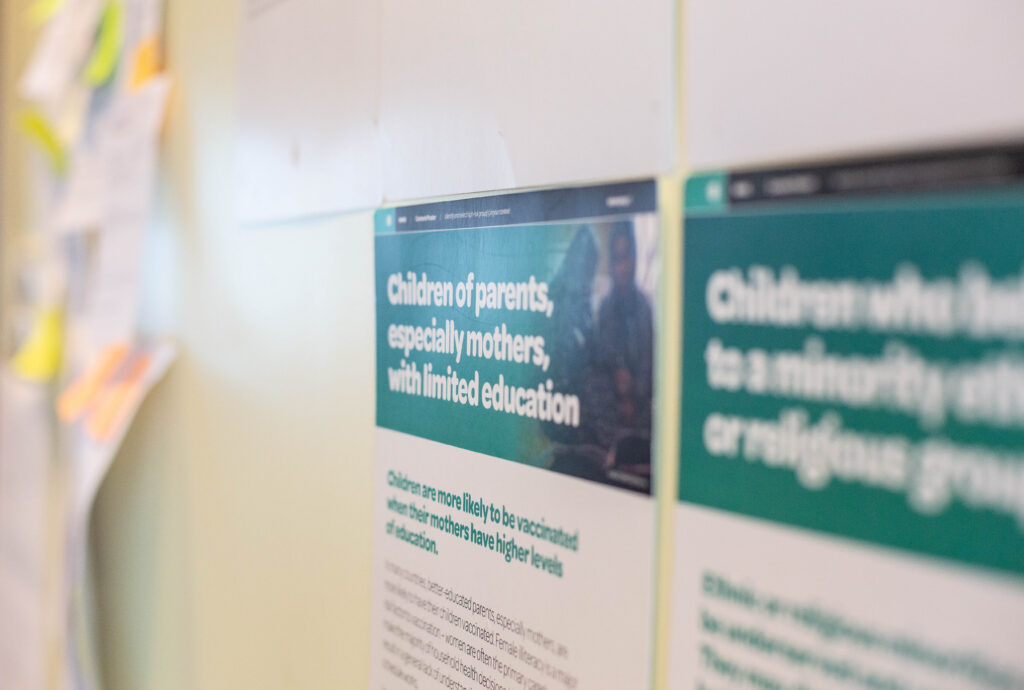
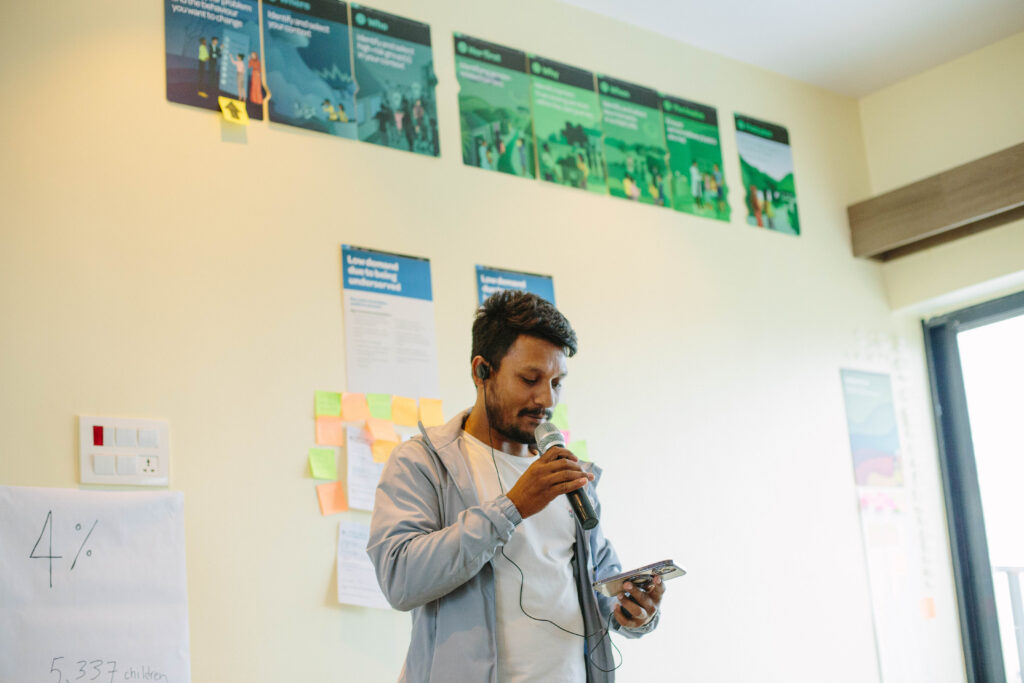
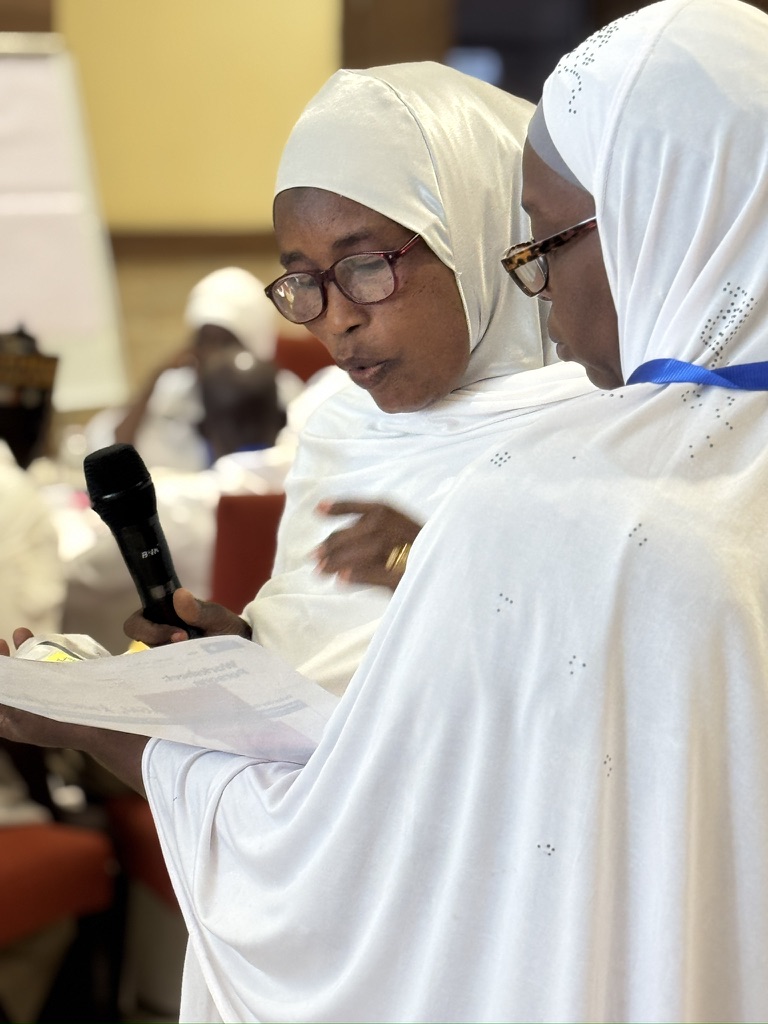
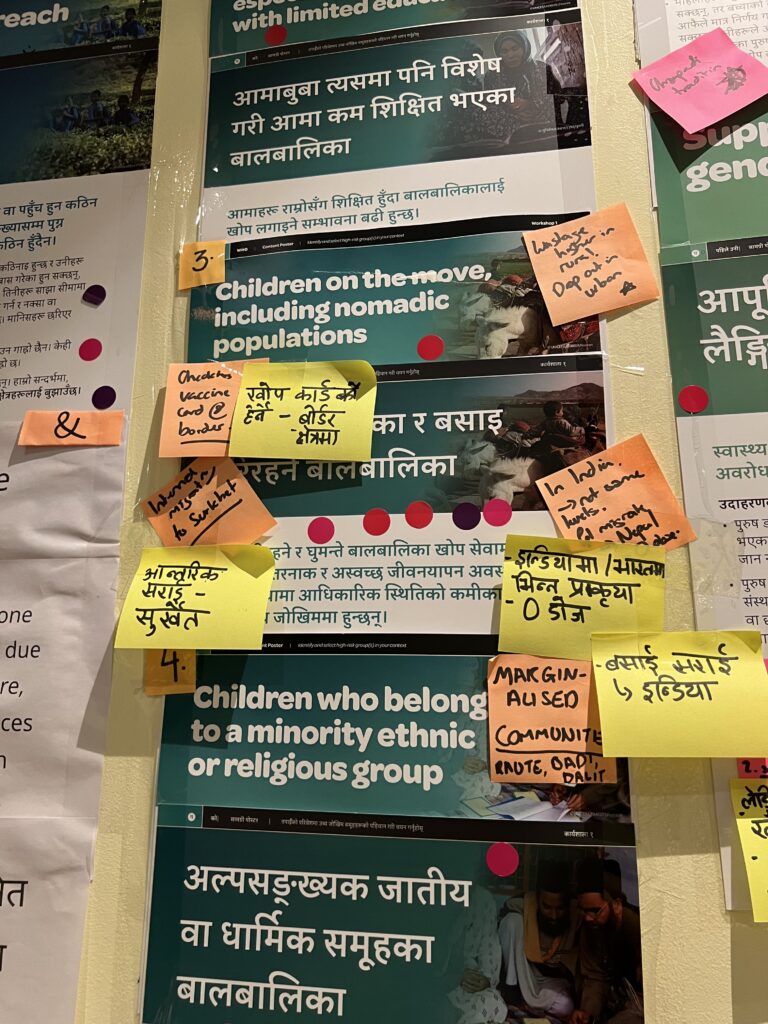
These tests gave us insight into how the tool landed. What made sense? What didn’t? What sparked insight and joy, and what fell flat? How easy was this for local partners to lead on their own? We gathered direct feedback from facilitators and participants on every aspect of the experience, assessing the DSB’s effectiveness, feasibility, desirability, and long-term viability.
The pilot sessions did their job — not only were 3 sub-national immunization demand strategies developed in a matter of months, but we also gained real-world pressure-testing, honest feedback, and a clear path forward to help make the tool more scalable and usable for every context.
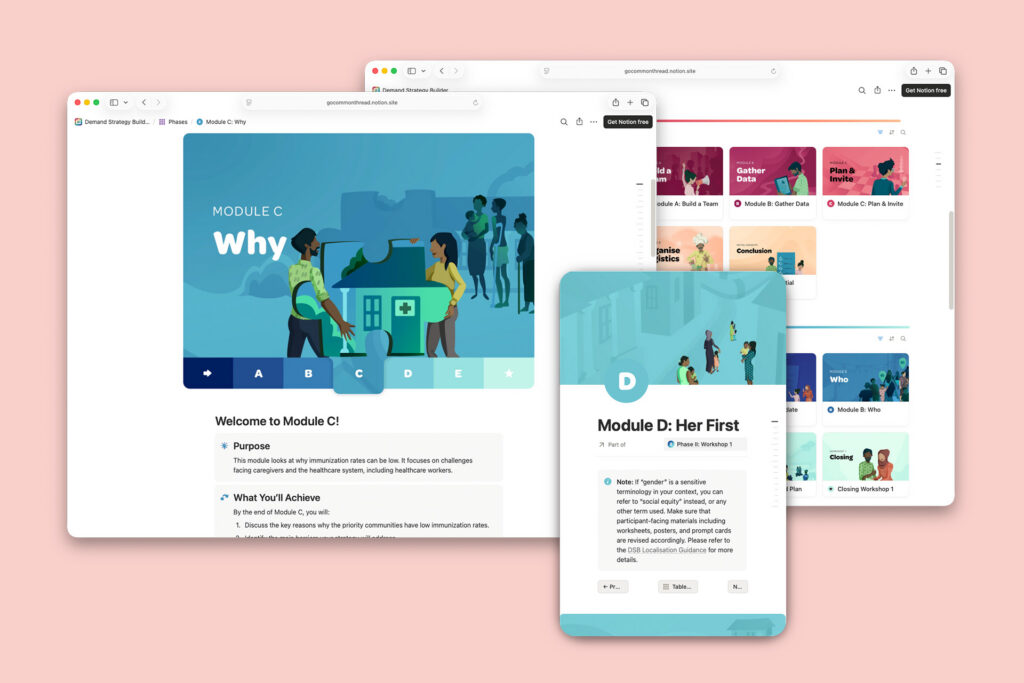
We needed to simplify the tool and make it more accessible and user-friendly to users across a range of global and low-resource contexts. The result was the DSB 2.0: a fully digital, modular tool, locally adapted for South Asia and West and Central Africa.
Impact
The DSB is now a global public good — available to practitioners seeking evidence-based, people-centered approaches to vaccine demand.
Check it out here on UNICEF’s Internet of Good Things: