Kenya
An open call to suggest solutions for strengthening health systems in Kenya
Shifting funding and decision-making power toward community-led health solutions.
At a Glance
Around the world, community-led organisations have been leaders in public health and development, offering innovative ideas rooted in lived experience that have the potential for transformative change. But these solutions are often sidelined by systems that crowd out small organisations in favour of arduous financial requirements, stringent reporting demands, and rigid monitoring and compliance requirements.
That was the central challenge we took on with Kenya’s Ministry of Health. We co-designed and ran the Call for Change, a redesigned open call for local organisations to voice and implement their ideas to improve the Kenyan health system. This case study shows how reducing friction for local partners to access funding, define their own priorities, and co-design their solutions together with local governments can lead to smarter investments and lasting systems change.
The CONTEXT
This project started with a completely different focus. The Gates Foundation asked us to help them identify the most strategic investments to increase demand for COVID-19 vaccines in Kenya. By March 2022, even with enough available vaccines, the vaccination rate in Kenya remained low1.
After extensive research, synthesising fragmented data and analysing the drivers of low demand, we reached a clear conclusion: Kenyans did not need support to respond to the current endemic. The country’s health system was strained by deadlier public health burdens like malaria and maternal health, but global funding still flowed toward pandemic response.
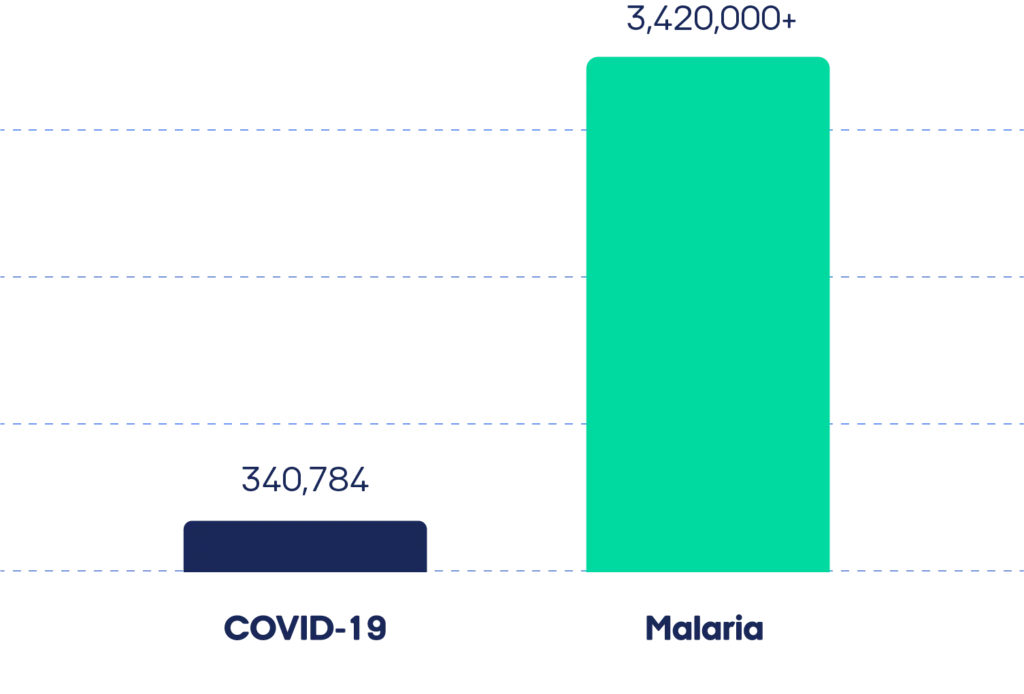
MALARIA VS. COVID-19 IN KENYA, CONFIRMED CASES, 2022 (STATISTA):
Through research and input from in-country experts, it became clear that a single-disease response would not help Kenya to be better prepared for the next pandemic. Together with the Ministry of Health we identified four areas which could help to make a change on the systems level: building skills and capacity for health promotion, redesigning health services with a focus on health-worker motivation, strengthening data collection and analysis, and improving health-system coordination from the county level upward.
Local organisations had clear ideas, deep local knowledge, and innovative strategies. But they didn’t have access to the data systems, coordination and resource support needed to act on them. Data flowed out of communities and into national and global databases, and stayed there. Donor requirements were rigid and hard for local, often-scrappy organisations to comply with. And most funding still went to a narrow pool of known, well-resourced actors.
Our solution
After reviewing over 20 different innovation challenges from around the world, we designed the Call for Change (CFC), a new kind of innovation challenge. The CFC applied behavioural science to de-bias the process and remove barriers for local organisations.


We stripped back the paperwork and invited anyone to submit a 250-word idea. No long forms and unnecessary requirements, just a social-media-friendly call to action. Proposals were anonymised and reviewed using inclusive criteria, favouring community-led, women-led, and locally grounded initiatives. Of the 29 final applications:
Were women-led or had a majority of
women in program roles.
Targeted underserved
or minority populations.
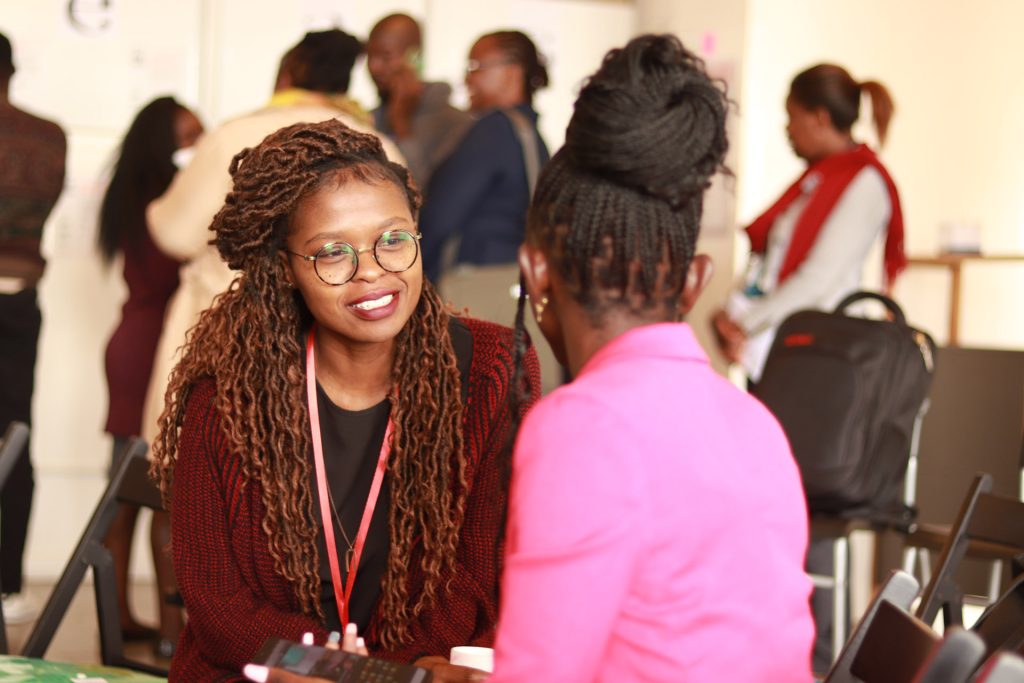
We held an Idea Lab in Nairobi where applicants could refine their ideas and spark partnerships. Even those who didn’t “win” gained access to mentors, proposal writing support, and a growing peer network.
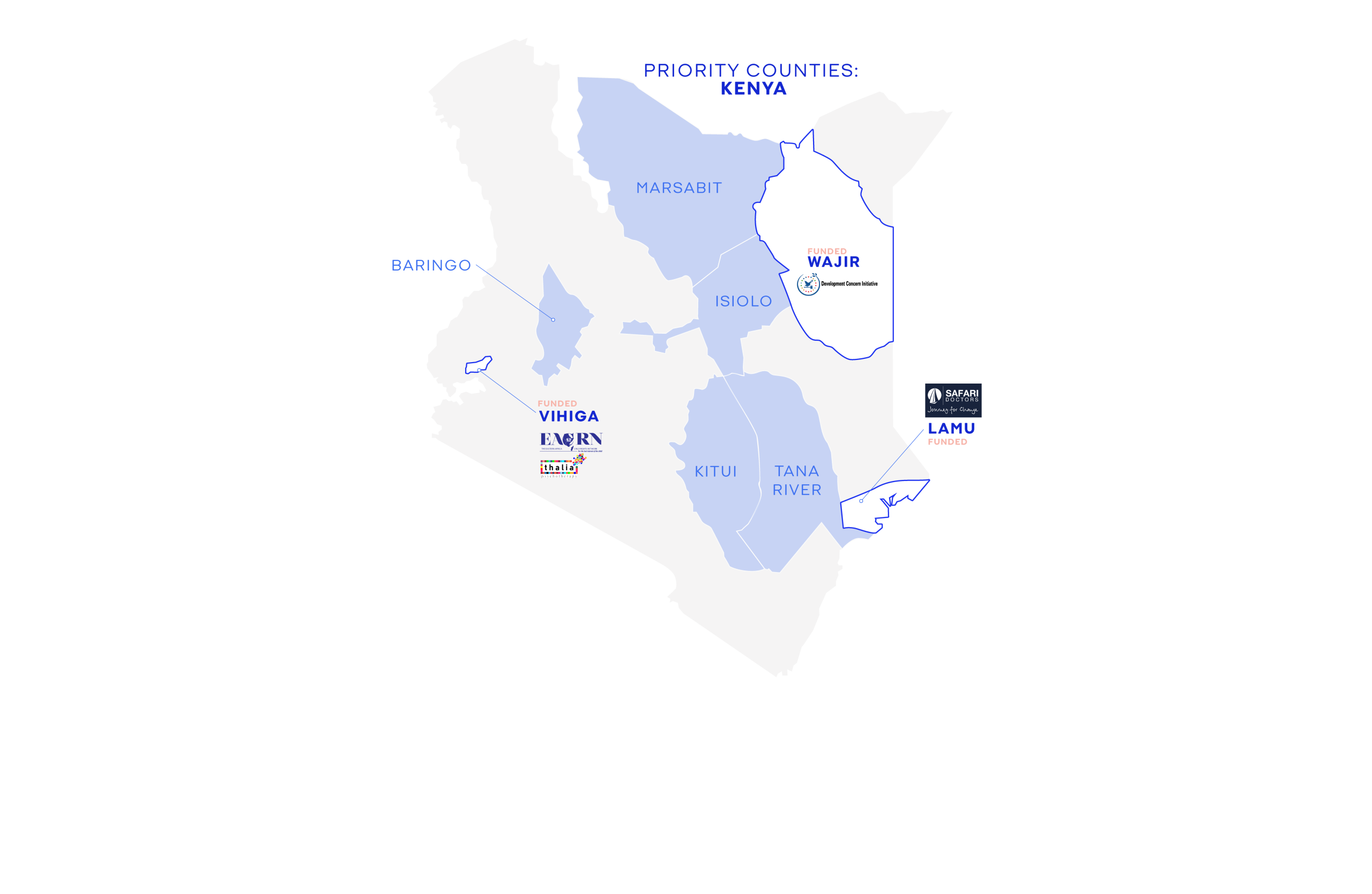
Four finalists received funding and formalised partnerships with County Health teams. But the bigger win was systemic: the Ministry of Health co-led every stage, from review to roll-out, and in the process gained a long-list of local organizations they could build relationships with.
Idea Lab workshop in Nairobi


Impact
Four organisations received funding:
- Thalia Psychotherapy (Vihiga County) launched a pilot mental health program for healthcare workers. In six months, they reported a 30% increase in help-seeking behaviour and significant drops in burnout and absenteeism. Their work expanded into Uganda, Nigeria, and Ghana, and garnered national and international attention, including from WHO and Bloomberg.
- Development Concern Initiative (Wajir County) trained local Imams and women leaders to deliver health messages to nomadic communities. Their efforts enabled a coordinated response to a cholera outbreak and set a precedent for faith-based collaboration with government.
- Safari Doctors (Lamu County) created a network of Youth Health Ambassadors, trained and endorsed by elders, who brought health education and HPV vaccine awareness to hard-to-reach areas.
- Eastern Africa Child Rights Network (Vihiga County) co-designed health worker training with the County Health Management Team, leading to interest in national curriculum integration.
“The Call for Change has really awakened the real power of the population… together, the Department of Health, the women, other key stakeholders, together we have achieved so much.”
Project Manager, CFC-funded project
The most lasting outcome wasn’t just the four funded projects. It was the community and system shift that followed.
Every applicant, not just the winners, became part of a growing network for peer learning, mentorship, and collaboration. The Ministry of Health didn’t just sponsor the process, they participated directly, helping to shape and support ideas from the ground up. This helped redefine what innovation looks like in public health: not high-tech solutions imposed from outside, but locally-driven ideas, backed by trust, visibility, and long-term partnerships.
If you’re like us, and think Global Public Health might benefit from an equity-focused redesign, our Decolonisation Quizzes and Decolonization Playbook might be a good place to start.
This work was conducted in partnership with the Gates Foundation.
1. By June of 2022, Kenya had secured enough vaccines to reach their goal of vaccinating 18.5 million adults and 2.9 million teenagers by the end of the year. But there was a long way to go: Kenya had only managed to vaccinate 30% of the adult population and had only 6 months to triple their vaccination rate.
